Why Pie Cafe Colorado Springs Is More Than Just a Dessert Shop
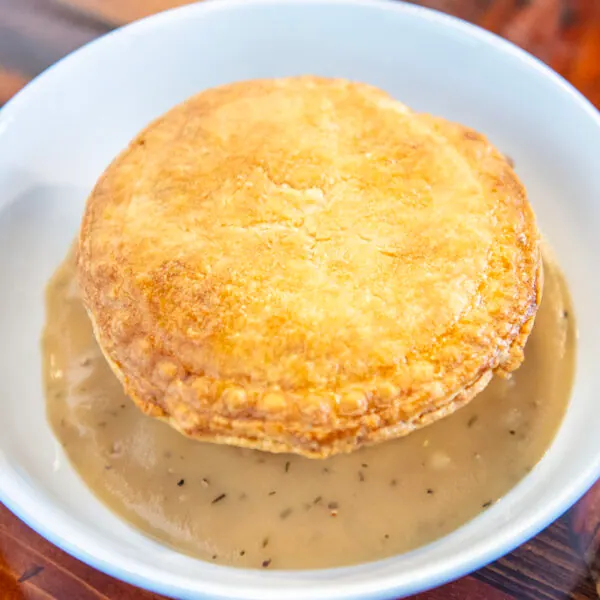
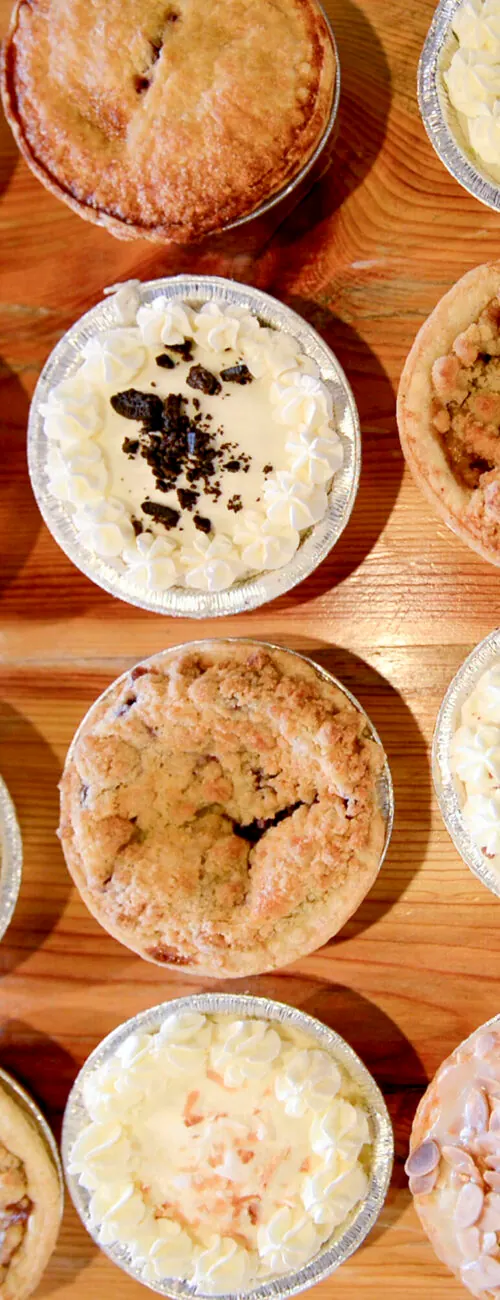
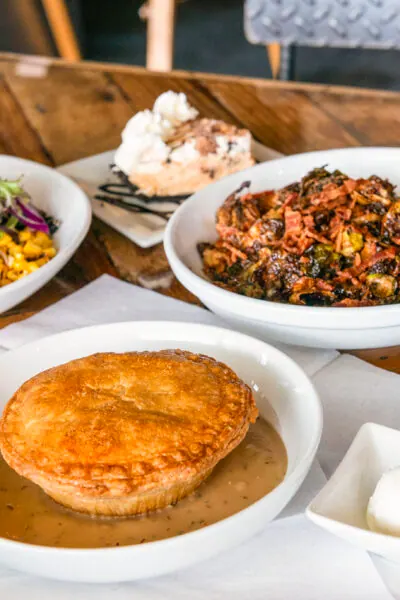
There are plenty of places where you can grab something sweet, eat it quickly, and move on with your day. A true neighborhood cafe works differently. It changes the pace of a block. It gives regulars a reason to linger, visitors a reason to remember the city, and families a place that feels easy, welcoming, and worth repeating. That is the difference people feel when they talk about Pie Cafe Colorado Springs. On paper, it might look like a dessert destination. In practice, it functions as something much larger.
The easiest way to misunderstand a pie shop is to treat pie as a novelty. A slice can be nostalgic, celebratory, indulgent, even a little old-fashioned in the best sense. But once a business is built around pie with real care, it enters a different category. Pie is not just a product. It becomes a language for hospitality. It encourages people to slow down, sit with each other, and share. That matters in a city like Colorado Springs, where people balance military life, tourism, commuting, school calendars, and the constant pull of the outdoors. A place that invites pause has real value.
What stands out about a pie-focused cafe is that it attracts more than one type of guest. Some walk in because they want dessert after dinner. Some need a comfortable midday stop. Some are looking for a low-pressure meeting spot that feels more personal than a chain coffee shop. Others want a treat that still feels handcrafted and local. When one business can serve all those purposes without losing its identity, it becomes part of the fabric of the area.
A pie shop carries a different kind of emotional weight
Cake is often tied to big events. Cookies are grab-and-go. Ice cream is seasonal, even when people pretend otherwise. Pie has a broader emotional range. It can be festive, but it can also be familiar. It belongs at holidays, of course, yet it also belongs on an ordinary Tuesday afternoon when someone wants coffee and a slice of something warm. That versatility gives a cafe built around pie unusual staying power.
In hospitality, emotional associations count for a lot. Guests rarely describe the full technical reason they return to a place. They say things like, “It feels comfortable,” or “It reminds me of home,” or “We always stop there when family is in town.” Those reactions are not accidental. They come from menu choices, atmosphere, service rhythm, and consistency. Pie naturally carries those associations because it is rooted in memory. Apple pie means one thing to one guest, chocolate cream another to someone else, but the common thread is familiarity.
That is one reason pie cafe colorado springs resonates beyond dessert. A pie shop often taps into a sense of place and routine in a way trend-driven concepts do not. It does not need to chase every food fad. Its strength comes from doing a classic thing well, then making room for enough variety to keep people curious. That balance between comfort and freshness is harder to achieve than it looks.
The cafe part matters as much as the pie
The word “cafe” does important work here. It signals that the experience is not limited to takeaway dessert. A cafe suggests a place to sit, talk, read, meet, wait out the weather, or reset in the middle of the day. Even a modest cafe can become a third place, meaning a space that is neither home nor work, but still feels personally meaningful.
That distinction is easy to overlook in a retail landscape full of highly efficient transactions. A lot of food businesses are optimized for speed. There is nothing wrong with that, especially during a busy lunch rush. But not every outing should feel like logistics. A good cafe creates a small pocket of time that feels less compressed. For parents, that might mean a manageable outing with kids. For retirees, it might mean a comfortable regular stop. For students, it might mean a quiet corner and a dependable cup of coffee. For coworkers, it might mean a meeting that feels human rather than overly formal.
In my experience, the businesses people defend most fiercely are rarely the ones with the broadest menus or the flashiest branding. They are the places that understand how customers actually live. They know someone may come in dressed for a hike, a school pickup, a lunch break, or a casual date. They make all of those visits feel equally natural. A pie cafe that gets this right is offering far more than sweets.
Why pie works so well in Colorado Springs
Colorado Springs has a particular rhythm. It is a city, but not one that wants to feel frantic. It welcomes tourists, yet depends on local repeat business. It has military families, long-time residents, young professionals, students, and retirees, all using the city differently. The dining scene reflects that mix. People appreciate quality, but they also appreciate sincerity. Overdesigned concepts can work, though often the places with the deepest loyalty are the ones that feel grounded.
Pie fits that context unusually well. It is approachable. It does not require explanation. It can be dressed up or kept simple. It appeals across generations. You can bring out-of-town guests for pie and coffee after a day at Garden of the Gods and no one needs convincing. You can also pick up a whole pie for a family dinner and it still feels thoughtful rather than routine.
There is a practical side to this too. Colorado Springs has weather shifts, busy weekends, and plenty of people who plan their outings around activities rather than around formal meals. A pie cafe can catch traffic from several directions. It works as a destination, an add-on stop, or an impulse visit. That flexibility is a competitive advantage.
Craft matters, even when the food feels simple
Pie is deceptive. Because it is familiar, people underestimate the skill behind it. Anyone who has baked seriously knows that pie exposes shortcuts quickly. Crust texture, filling balance, bake time, slice integrity, temperature, and sweetness all matter. A pie that looks lovely but eats poorly will not earn repeat customers. The same goes for coffee service, whipped toppings, seasonal fruit handling, and display freshness.
A strong pie cafe succeeds by taking “simple” food seriously. That means understanding where precision matters and where restraint matters more. Fruit pies need structure without becoming gummy. Cream pies need richness without feeling heavy. Savory options, if offered, need enough substance to count as a meal, not just a novelty. Even portioning requires judgment. A slice should feel generous, but not clumsy. That is the sort of operational https://arthurwbxm858.northcrestbrief.com/posts/pie-cafe-colorado-springs-a-fresh-take-on-timeless-desserts discipline guests may not articulate, yet they notice it immediately.
The challenge is that pie also resists industrial shortcuts better than many desserts. People can taste the difference between a crust with real flake and one that seems lifeless. They can tell when fillings are overly standardized. They notice when whipped cream tastes fresh versus canned and forgettable. In a market where many dessert experiences feel assembled rather than made, a pie cafe has the opportunity to stand out through texture, aroma, and balance alone.
It creates occasions people did not know they needed
Some businesses solve an existing problem. Others create small rituals that become part of local life. Pie cafes are especially good at the second kind. Nobody wakes up thinking they need a new dessert habit. Then they discover a place that fits naturally into birthdays, study sessions, reunions, after-school treats, low-key celebrations, and “just because” stops. After that, the business is no longer selling pie alone. It is selling a reliable setting for small occasions.
That matters more than many owners realize. The strongest hospitality brands are often built on repeatable, emotionally light traditions. Not every memorable outing needs to be expensive or elaborate. In fact, the places that survive changing economic conditions often occupy a middle space. They feel special enough to justify, yet accessible enough to repeat. A pie cafe can do exactly that. A whole pie may anchor a holiday table, but a single slice and coffee can also turn an ordinary afternoon into something a little warmer.
People are hungry for those low-stakes pleasures. After years of inflated prices, crowded calendars, and digital overload, an environment that feels tactile and grounded has unusual appeal. Ceramic plates, a hot mug, a flaky crust, and a table conversation still go further than many operators think.
A local shop can represent a city better than a polished attraction
Visitors often ask locals where to go if they want to get a feel for a city. The answers are rarely museums alone or the biggest chain nearby. More often, locals send them to independent cafes, breakfast spots, bakeries, and neighborhood restaurants. That is because food businesses translate place into habit. They show what people here actually enjoy when no one is curating the experience for them.
Pie cafe colorado springs has the kind of identity that can play that role. A visitor might first walk in for dessert, but what they remember is the mood of the room, the service, the regulars, and the sense that this place belongs here. Those details shape a city’s reputation more than marketing campaigns do. One genuinely welcoming local shop can tell a stronger story than a dozen generic attractions.
There is also a trust factor. Independent dessert cafes often become recommendation magnets. Hotel staff mention them. Families put them on their unofficial visitor itinerary. Friends suggest them after dinner. Once that happens, the business becomes part of how residents host others. That is a meaningful civic role, even if it sounds small on paper.
Hospitality shows up in the little decisions
The businesses that feel effortless usually contain a lot of thought. Seating spacing, noise level, line flow, menu clarity, takeaway packaging, and display case organization all influence whether a guest feels welcome or slightly stressed. This is especially true in a cafe, where people may stay longer and use the space in different ways.
A pie shop has to make several balancing acts look easy. It needs to welcome the person who wants to sit for an hour and the person who needs a quick pickup order. It needs to serve guests who know exactly what they want and guests who need a minute to consider fruit, cream, seasonal, or savory options. It needs to feel family-friendly without becoming chaotic, and cozy without feeling cramped. None of that happens by accident.
Good hospitality is often the art of removing friction before the guest notices it. That could mean clear slice labeling, a staff member who can describe flavors plainly, coffee that arrives quickly, or a room layout that makes it obvious where to order and where to wait. These are not glamorous details, but they are the details that separate a pleasant one-time visit from a place people fold into their routines.
The menu can support more than a sweet tooth
One reason pie cafes punch above their weight is that pie itself spans categories. Dessert pie gets the attention, but savory pies, quiches, hand pies, pot pies, and seasonal specialties can push a shop into all-day relevance. Add coffee, tea, and a few carefully chosen sides or accompaniments, and the business suddenly serves more than one daypart.
That does not mean every pie cafe should become a full restaurant. Overexpansion can dilute quality quickly. But thoughtful range matters. A guest who comes for lunch may return with family for dessert. Someone who initially stops in for coffee may decide to take home a whole pie. A customer who associates the cafe only with holidays might discover it works just as well for an everyday meal.
This is where judgment matters more than ambition. The best operators know which additions support the core concept and which simply create operational drag. A focused menu with strong execution often beats a broad menu with weak consistency. In a pie-centered business, every extra item should reinforce the same promise: comfort, quality, and genuine care.
Why people come back
Repeat business in hospitality usually rests on a blend of product, service, predictability, and feeling. If even one of those breaks down consistently, loyalty starts to fray. Dessert shops can survive for a while on novelty, but cafes survive on habit. Habit is earned.
Several things tend to keep a local pie cafe in a customer’s rotation:
- the product feels handcrafted rather than mass-produced
- the setting makes it easy to stay or easy to grab and go
- the staff treat first-time guests and regulars with the same warmth
- the menu offers enough variety to reward return visits
- the overall experience feels worth the price, even when budgets are tight
None of those elements is revolutionary. Together, they are powerful. People do not need every outing to be surprising. They need it to be reliably good, occasionally delightful, and consistently easy to recommend. That combination builds staying power.
A business like this supports community in quiet ways
When people talk about community businesses, they often default to obvious examples like bookstores, schools, or farmers markets. Cafes belong in that conversation too. They are one of the few commercial spaces where people from different age groups and routines can overlap naturally. That overlap matters. A city needs places where life is visible to itself.
A pie cafe can host tiny moments of connection all day long. A grandparent takes a child out for an afternoon slice. Two friends catch up after months apart. A couple marks an anniversary without making a production of it. A service member brings family somewhere that feels local and relaxed. A remote worker spends an hour there and leaves in a better mood than they arrived. None of these moments makes headlines, but together they explain why certain businesses become beloved.
There is also an economic layer. Local cafes often source locally when possible, hire from the area, and keep money circulating nearby. Even when sourcing is mixed, as it often is for practical reasons, the impact of an independent operator remains different from that of a standardized chain model. The relationship to the neighborhood is more immediate. When the business thrives, people feel it.
More than nostalgia, there is relevance
It would be easy to frame pie as purely nostalgic, but that misses why it still works. Nostalgia can open the door, yet relevance keeps it open. A modern pie cafe succeeds because it answers current needs with a timeless format. People want comfort without pretension. They want places that are photogenic enough to share if they feel like it, but not designed only for photos. They want flavor that tastes real, portions that feel fair, and hospitality that does not feel scripted.
Pie happens to check those boxes better than many trendier desserts. It photographs well, but more importantly, it eats well when done right. It can be indulgent without being flashy. It works for families, solo visitors, and couples. It can travel home well. It can also anchor in-person experiences that feel more satisfying than another generic coffee run.
That practical relevance is what turns a dessert concept into a durable local business. People may first notice the sweetness. They stay because the place fits their lives.
The reason it matters to Colorado Springs
A city is shaped not only by major employers, parks, road projects, and tourist landmarks. It is also shaped by the everyday places residents choose repeatedly. Those choices reveal what kind of city people want to live in. They want somewhere with local character, with businesses that feel personal, and with spaces that are neither rushed nor sterile.
Pie Cafe Colorado Springs represents that kind of local value. It offers a product people understand immediately, then deepens the experience through atmosphere, consistency, and hospitality. It can be a dessert stop, a coffee break, a lunch alternative, a family tradition, a visitor recommendation, and a small celebration venue all at once. Few concepts manage that range without becoming vague. Pie, oddly enough, holds it together.
That is why calling it “just a dessert shop” misses the point. Dessert may be the draw, but the real offering is comfort with substance. It is a place where craftsmanship meets accessibility, where local identity feels natural rather than forced, and where simple food does the harder work of helping people gather. In a city that values both authenticity and ease, that is not a small thing. It is exactly the kind of business that gives a place its flavor.
3.14 Pi Bar
5152 Centennial Blvd
Colorado Springs, CO 80919
(719) 314-6172
FAQ About pie cafe colorado springs
Does 3.14 Pi Bar serve sweet and savory pies?
Yes. The café serves savory pot pies and seasonal sweet pies made from scratch. Flavors can vary.
Can I order a whole pie to take home?
Yes. The café sells whole sweet pies to take home. Check the current menu for flavors and ordering options.
Does 3.14 Pi Bar offer take-and-bake pies?
Yes. The café offers prepared pies that you can bake at home. Check the current menu for available varieties.